Removals in Canary Wharf

Removals in Canary Wharf need to be planned around access, timing and the type of property being moved. We handle domestic and business moves with a practical focus on carrying, loading and transport, so belongings can be moved in a structured way rather than left to last-minute improvisation. If you are leaving a flat, relocating an office or shifting a smaller load, the core aim is the same: a tidy move with clear arrangements and careful handling.
Our removal services cover the main stages of a move, from collecting items and loading them safely to delivering them to the new address. For many customers, the most useful part is having one team manage the physical work in a way that suits the property, the volume and the access. Careful planning matters because lifts, corridors, parking restrictions and stairs can all affect the day’s pace.
Use our pricing and quotes page to make an enquiry when you are ready. A clear description of what needs moving, the start and end postcodes, and any access details helps us prepare a sensible quotation. Tell us what is going, where it is going and when you need it moved, and we can guide the next step without unnecessary back and forth.
House and flat removals organised with care
Home moves often involve a mixture of furniture, boxes, personal items and fragile pieces that need different handling in the same job. A flat move may call for efficient loading and practical use of lifts or stairways, while a house removal may require more time for larger furniture and a fuller inventory. We keep the work focused on safe movement, sensible packing order and making sure essential items are not buried under less urgent ones.
Our house removals page is a useful starting point if you are moving from a property with several rooms and larger furniture. For smaller households and apartment moves, flat removals can be a better fit where access, floor level and item count matter more than the simple distance between addresses. Both types of move benefit from a straightforward plan and accurate information about what needs transporting.
When preparing a home move, it helps to think about the order in which items will be carried and what should travel separately. A concise list can make a quotation more accurate and help us decide whether a standard removal vehicle is appropriate or whether the job needs a different setup. Common points to note include wardrobes that need disassembly, bulky sofas, white goods and any items that need extra protection during loading.
Commercial removals for offices and workspaces
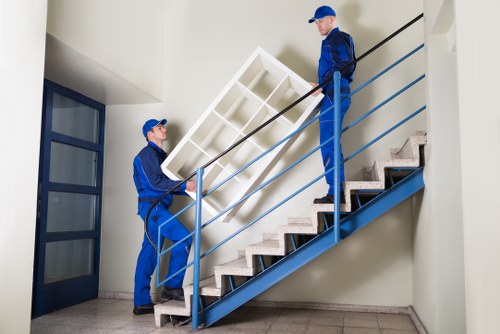
Office removals are best handled with attention to equipment, furniture and the sequence of the move. Desks, chairs, filing units, screens and boxed paperwork may all need to be moved together, but not everything in an office can be treated the same way. We keep the work practical and organised so the relocation can be carried out with less disruption than an unplanned shift would create.
For businesses comparing move types, office removals is the most relevant page when the job is centred on desks, workstations and everyday workplace furniture. Where the move involves a broader change of site or the relocation of an entire unit, office relocation services may be more suitable. The right choice depends on the amount of furniture, the layout of the premises and the handling requirements of the items involved.
Good office moving also relies on simple preparation. Labelled boxes, a clear note of any delicate equipment and a basic plan for what should be moved first can save time on the day. If you are moving out of a shared building or serviced office, it is wise to mention lift access, loading bays and any building rules early on. That helps us shape the move around the premises rather than forcing the premises to fit the move.
Packing support and extra moving help
Packing is often the difference between a move that feels manageable and one that becomes disorganised. Some customers prefer to pack everything themselves, while others only want help with delicate items or awkward belongings. Our packing-related services are there to support the move rather than to overcomplicate it, and they can be especially useful where the move includes breakables, mixed room contents or items that need to be kept together.
The packing and boxes page covers the kind of materials and preparation that help protect belongings before loading. If you want help with the physical side of boxing up and unpacking at the other end, packing and unpacking services may be more appropriate. These pages are useful when the move needs a more complete service than transport alone.
In practical terms, packing advice should stay simple. Keep together the items you need first, separate anything fragile, and avoid overfilling boxes that may be too heavy to handle safely. If there are valuable or delicate objects, say so when requesting a quote so the moving plan can reflect them. Clear packing choices can reduce the chance of damage and make loading more efficient.
Specialist and item-based removals

Some moves involve individual items that need more care than general furniture because of weight, shape or fragility. A piano, for example, is not just another heavy object; it requires appropriate handling and a route that suits the item as well as the property. Likewise, furniture collection jobs may be more about safe pick-up and transport than a full household move, especially when only a few large pieces need attention.
Our piano removals page is the clearest fit for heavier specialist items that need careful movement. For one-off pieces or smaller collections of furniture, furniture removals and furniture pick-up offer useful options depending on whether the job is a direct transfer or a collection from a seller, property or storage location. Choosing the right page helps match the service to the item rather than forcing a general move description onto a specific task.
Specialist work usually benefits from precise dimensions, access information and an honest description of the item’s condition. Weight, stairs, narrow hallways and awkward turns can all influence how the removal is carried out. If you are arranging this sort of job, mention anything that makes the item harder to lift or manoeuvre. That allows the plan to be based on the work itself, not on assumptions.
Moving vans, same-day help and flexible transport
Not every move needs the same level of support. Some customers need a straightforward transport option for a few items, while others want a more complete moving service that includes loading, carrying and delivery. Our vehicle-based pages can help you compare the type of transport that suits the job, whether the need is for a van, a moving truck or a faster turnaround for a time-sensitive move.
If you are comparing transport options, man and van and man with van describe smaller moving jobs where a simple load-and-go approach is often enough. For larger or heavier loads, moving truck and removal van are more relevant pages to review. Where timing is especially tight, same-day removals may suit a move that has to happen quickly, provided the job details and access arrangements are clear.
The key is to match the vehicle and the labour to the job. A larger load may need more space, but a smaller move may still need careful handling if the items are awkward or fragile. It helps to think about the furniture first and the vehicle second. That way, you can request the most appropriate arrangement rather than selecting transport that is either too small or more than you need.
Storage, student moves and practical short-notice moves

Some removals are part of a bigger change rather than a single same-day transfer. Items may need to go into storage between properties, or a student move may involve a limited number of boxes, small furniture pieces and personal items. These jobs can be straightforward when the scope is clear, but they still benefit from the same attention to access, timing and loading order as larger removals.
Our storage page is helpful where items need to be held safely between addresses or during a temporary change in plans. For smaller academic moves, student removals can be a better fit than a full household move. The work is still about careful transport, but the scale and the sort of belongings involved are often different. Matching the service to the move keeps the process sensible and avoids unnecessary complexity.
When a move is short notice, it is still worth taking a moment to prepare the details that matter most. List the main items, note whether there are stairs or lifts and mention if storage access or building rules affect the timing. A compact summary is usually enough to start the process and avoid confusion later. That way, even a small move has a clear framework.
About Canary Wharf
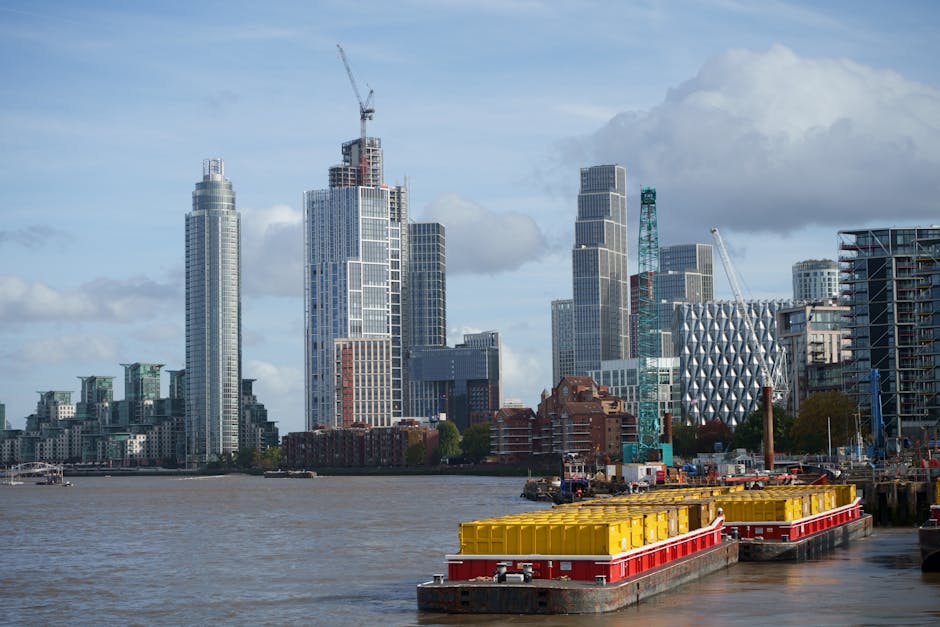
Canary Wharf is a major business district in East London on the Isle of Dogs, within the London Borough of Tower Hamlets. It occupies an area that was once dominated by docklands, warehouses and wharves linked to the Port of London, and its present form developed through large-scale regeneration from the late twentieth century onwards. The name itself comes from Canary Wharf railway station, which opened in 1987, and the wider district grew rapidly after the establishment of the London Docklands Development Corporation and the arrival of major commercial investment. The area is now known for its concentration of tall office towers, shopping arcades, transport links and landscaped public spaces set among water channels and former dock basins. Landmark buildings include One Canada Square, long one of the most recognisable towers in the London skyline, together with later additions such as the HSBC Tower, the Citigroup Centre and a network of connected retail and business premises. The district is served by the Jubilee line, the Docklands Light Railway and the Elizabeth line, giving it strong rail connections across London. Alongside the built environment, there are promenades, waterside walkways and green spaces such as Jubilee Park, which provide a quieter counterpoint to the density of the commercial core. The area’s architecture reflects its phased development, with postmodern early towers sitting alongside more recent glass-fronted developments, while nearby quays and docks preserve reminders of its earlier maritime history.
Vehicle size, access and price factors
The cost of a removal is usually shaped by practical details rather than by a single fixed formula. The amount of furniture, the distance between addresses, the need for extra labour, the access at both properties and the handling of specialist items all have a bearing on the job. If items need to be taken up several flights of stairs, carried a long way from the vehicle or moved with added care, that can change the scale of the work. Being precise at the enquiry stage helps create a quotation that reflects the real job.
Our pricing and quotes page is the most relevant place to start if you want a clearer sense of how to request a figure for your move. It helps to include the property type, the main furniture pieces, any difficult access points and whether you need packing or storage support. If you also want to check broader policies before proceeding, the insurance and safety page and the health and safety policy page may be useful background reading.
Good information leads to a better quotation. A quick list of rooms, large items and any known restrictions is usually more helpful than a vague estimate. If you are unsure whether something counts as a specialist item or just a bulky piece of furniture, include it anyway and let the service be matched to the details. The more exact the scope, the more useful the quote.
Planning your move and making an enquiry

A smooth removal often comes down to simple organisation before the day arrives. Keep the key pieces together, set aside anything that should travel separately and note the items that need extra handling. If the move includes both furniture and smaller packed belongings, it is worth deciding what must be loaded first so the van or truck can be used efficiently. That kind of preparation keeps the move focused on the practical sequence, not on guesswork.
Before you ask for a quotation, it also helps to think through any access or timing points that could affect the move. Building rules, parking arrangements, lifts, loading restrictions and shared entrances can all matter. If you prefer a smaller service for a light move, or a fuller service for a larger home or office relocation, choose the page that best matches the job. When you are ready, use our contact us page to send the details and request a quotation.
Whether your move is domestic, commercial or item-specific, the aim is to make the process manageable and clear from the outset. If you are comparing different options, start with the main service page, then use the relevant support page for packing, transport, storage or specialist items. Send the basics, ask for a quote, and take the next step with confidence.